
How SAP Business Data Cloud and Databricks Work Together in a Modern Lakehouse Architecture
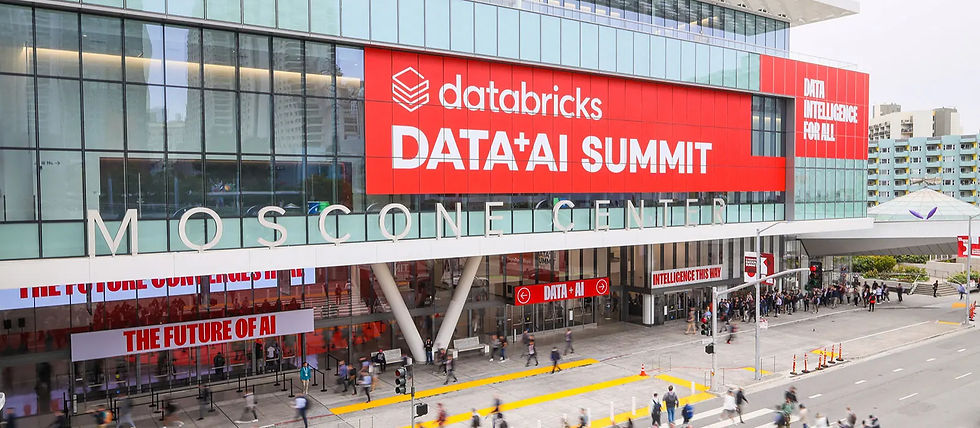
Analysis Prime had the opportunity to attend the Databricks Data + AI Summit, where one of the standout sessions was the adidas architecture session, “From SAP to the Lakehouse: adidas’ Blueprint for AI-powered Enterprise Data.”
Understanding the Medallion Architecture
The session was a strong example of how SAP Business Data Cloud, SAP Datasphere, Databricks, and Unity Catalog can work together in a modern enterprise data architecture.
One of the concepts that stood out was the role of SAP data products within a medallion architecture. For customers who are less familiar with the term, medallion architecture is a way of organizing data as it becomes more trusted, structured, and useful to the business:
Bronze is the foundational layer, where data is first made available in a controlled way.
Silver is where data becomes cleaned, structured, governed, and reusable across teams.
Gold is the business-ready layer, where data products are refined for reporting, analytics, forecasting, planning, AI, and decision support.

Why SAP Products Matter
For SAP customers, this is where SAP Business Data Cloud and Datasphere become especially important.
SAP data is not just another source of raw data. It usually carries critical business context: master data, hierarchies, financial structures, operational relationships, security considerations, and process logic that business users rely on every day.
In SAP-centric landscapes, Datasphere can support the full data product lifecycle, including highly refined, business-ready outputs.
But in the real world, most customer landscapes are more complex than that. SAP data often needs to be brought together with customer data, supply chain data, external market data, operational data, IoT data, spreadsheets, planning inputs, and other business-owned sources sitting across the enterprise.
How SAP and Databricks Work Together
This is where the SAP and Databricks architecture becomes compelling.
SAP Business Data Cloud and Datasphere can provide governed SAP data products as a trusted foundation. Those products can serve as strong bronze or silver inputs into a broader lakehouse architecture because they are already structured, managed, and connected to SAP business meaning.
Databricks can then help blend that trusted SAP context with high-volume non-SAP data and create broader gold-level data products for analytics, AI, forecasting, reporting, planning, and decision support.
The Role of Data Governance
The catalog layer is also a key part of this conversation. As customers start working across SAP, Databricks, reporting tools, planning tools, and other platforms, it becomes more important to know what data exists, where it came from, what it means, who can use it, and how it should be reused. Unity Catalog plays an important role in helping make that broader data landscape more discoverable, governed, and reusable.
Turning Trusted Data into Business Value
The value here is not simply moving SAP data into another platform. The value is creating a trusted path from SAP business context to enterprise-ready data products that can be used across the business.
This is a conversation we are seeing come up more often with customers as they evaluate SAP Business Data Cloud, Datasphere, Databricks, and broader AI/data strategies.
If your team is trying to understand where BDC fits, how SAP data products should be used, what it takes to connect Datasphere and Databricks, or how to think through the right architecture for reporting, planning, and AI use cases, please feel free to reach out to Advait Dange.

We would be happy to discuss what we are seeing in customer landscapes, the realities of connecting SAP and Databricks environments, and the best practices for turning trusted SAP data products into business-ready outcomes.


Comments